Pajottenland: our hills and our 5 best lambic breweries, 20 minutes from Brussels 🌾🍺

Updated on September 3, 2026 by Pierre
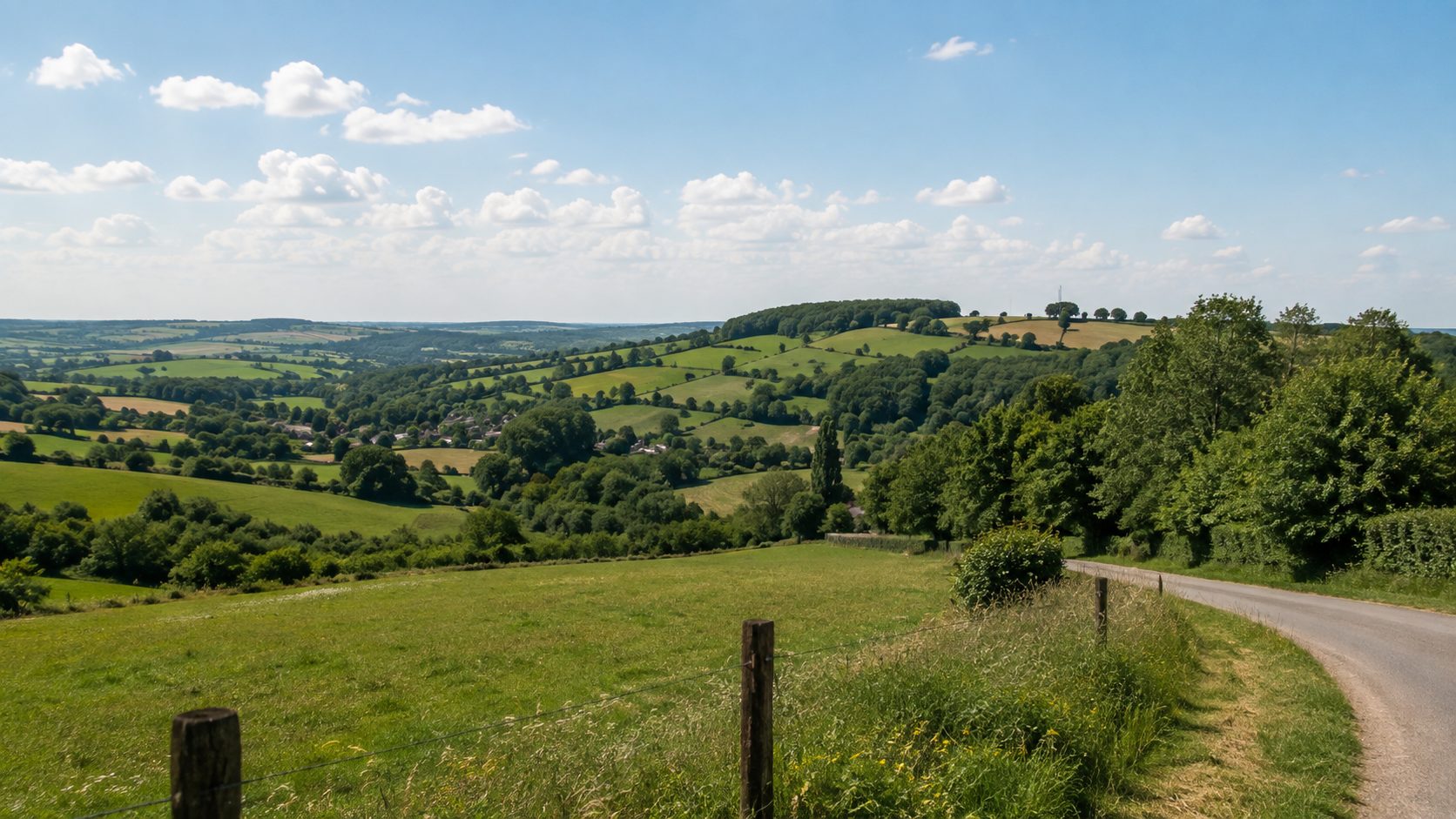
By constantly praising Ghent or Antwerp whenever we want a "change of scenery," we forget the obvious: a true escape is just twenty minutes from home. The Pajottenland, this rolling countryside nestled between Brussels, Halle, and Ninove, is the very landscape Bruegel painted 450 years ago, complete with gentle hills, brick farmhouses, and church steeples on the horizon. The landscape has hardly changed. And above all, the region boasts the highest concentration of lambic breweries in the world, a brewing heritage found nowhere else on earth.
Where does the name "Pajottenland" come from?
Good question, and no one really agrees on the answer: even Flemish linguists who have studied it acknowledge that the etymology has never been satisfactorily established. Two possibilities are most often put forward.
The first origin dates back to the 18th century: in the songs of the Brabant Revolution of 1789, the word "pagnot" (also spelled pajot, panjot, or payot) referred to mercenary soldiers in the service of the Austrian occupiers. The term itself is thought to derive from the Italian "pagnotta" (round bread), via the French "pagnote," an insult aimed at soldiers who fought only for their pay and a place to stay.
The second theory is more local and down-to-earth: it links the name to "paillottes," the traditional wattle and daub houses with thatched roofs typical of the region before the era of paving stones and bricks. It's impossible to definitively choose between the two, but both tell the same story: the Pajottenland, long seen from Brussels as a poor and somewhat isolated countryside, before becoming a highly sought-after weekend destination.
Why Pajottenland is unique (and nowhere else)
Here, from September to May, the air of the Senne Valley becomes rich with wild yeasts, the famous Brettanomyces bruxellensis and lambicus. These, and nothing else, cause the lambic to ferment spontaneously, without the addition of any yeast. As a result, this beer can literally not be brewed anywhere else on earth, which explains why the Pajottenland region has such a high concentration of historic breweries in such a small area.
The 5 must-visit breweries of Pajottenland
1. Brouwerij Boon (Halle / Lembeek)
📍 Fonteinstraat 65, 1502 Halle
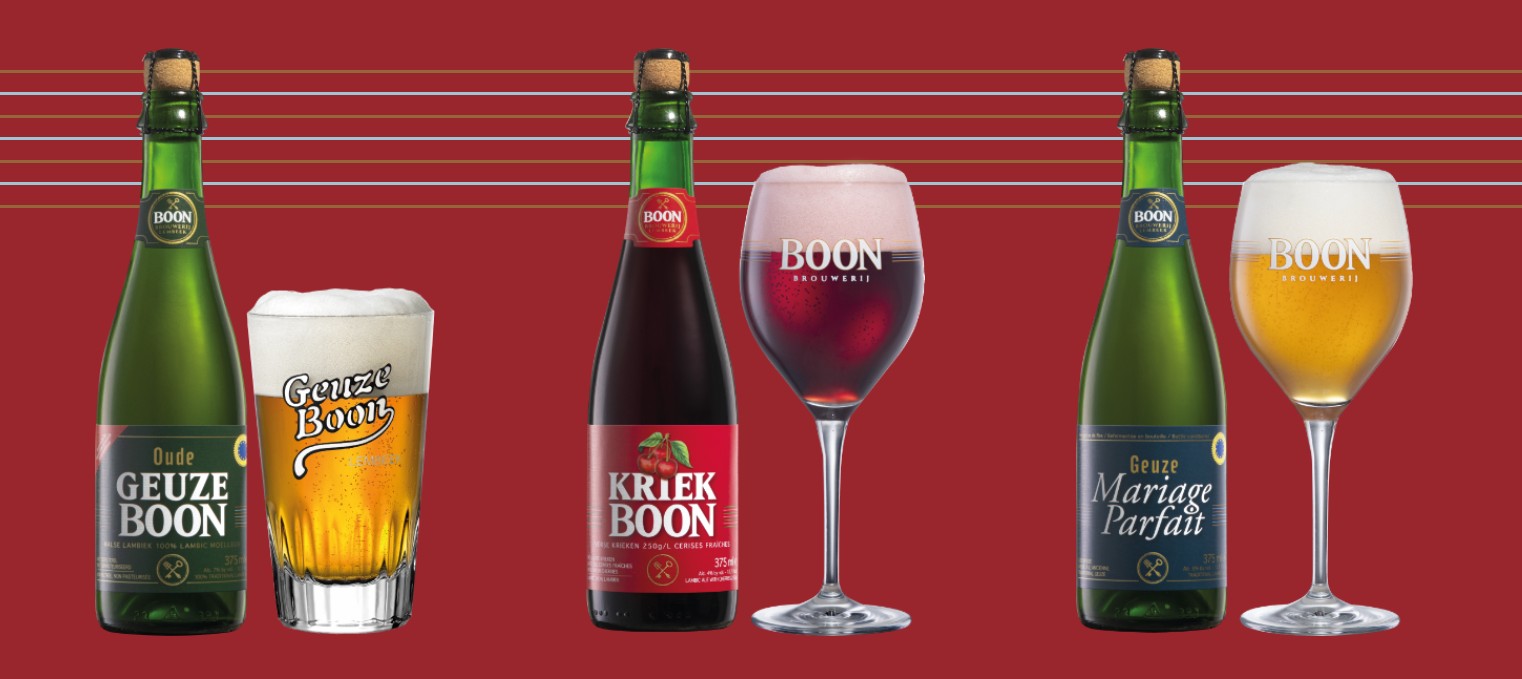
Boon has one of the largest stocks of oak-aged lambic in the country. The bar and shop is open Friday and Saturday from 10 a.m. to 7 p.m., with a guided tour lasting approximately 1.5 hours. If you happen to meet Frank Boon himself, don't leave without a chat.
2. Lindemans Brewery (Vlezenbeek)
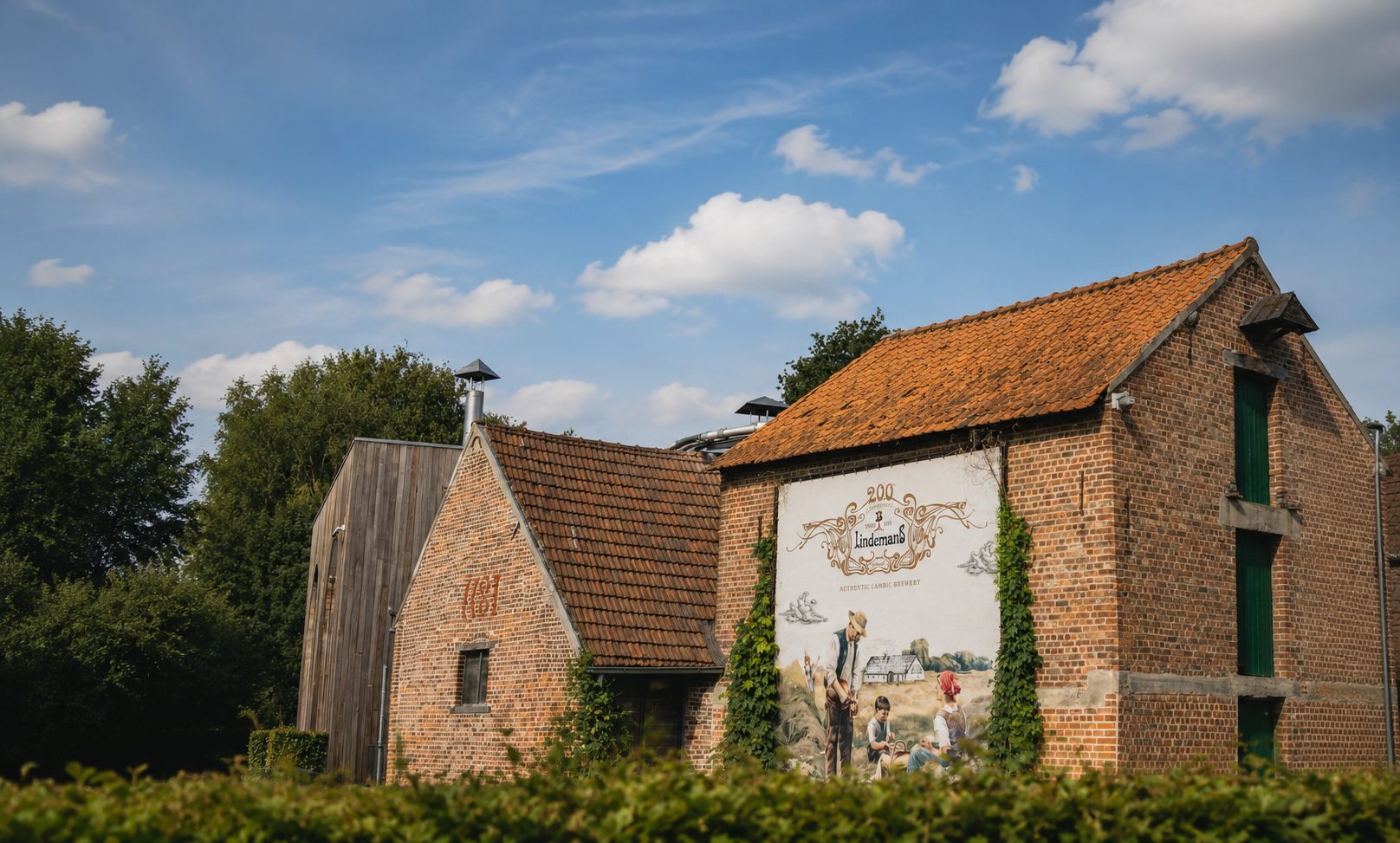
📍 Lenniksebaan 1479, 1602 Vlezenbeek
A family business since 1822, now in its sixth generation. Many of the country's brewers use their lambic as a base for their own brews, which speaks volumes about the brewery's reputation. Please note that tours are by reservation only, for groups only: the taproom is not open daily.
3. Oud Beersel (Beersel)
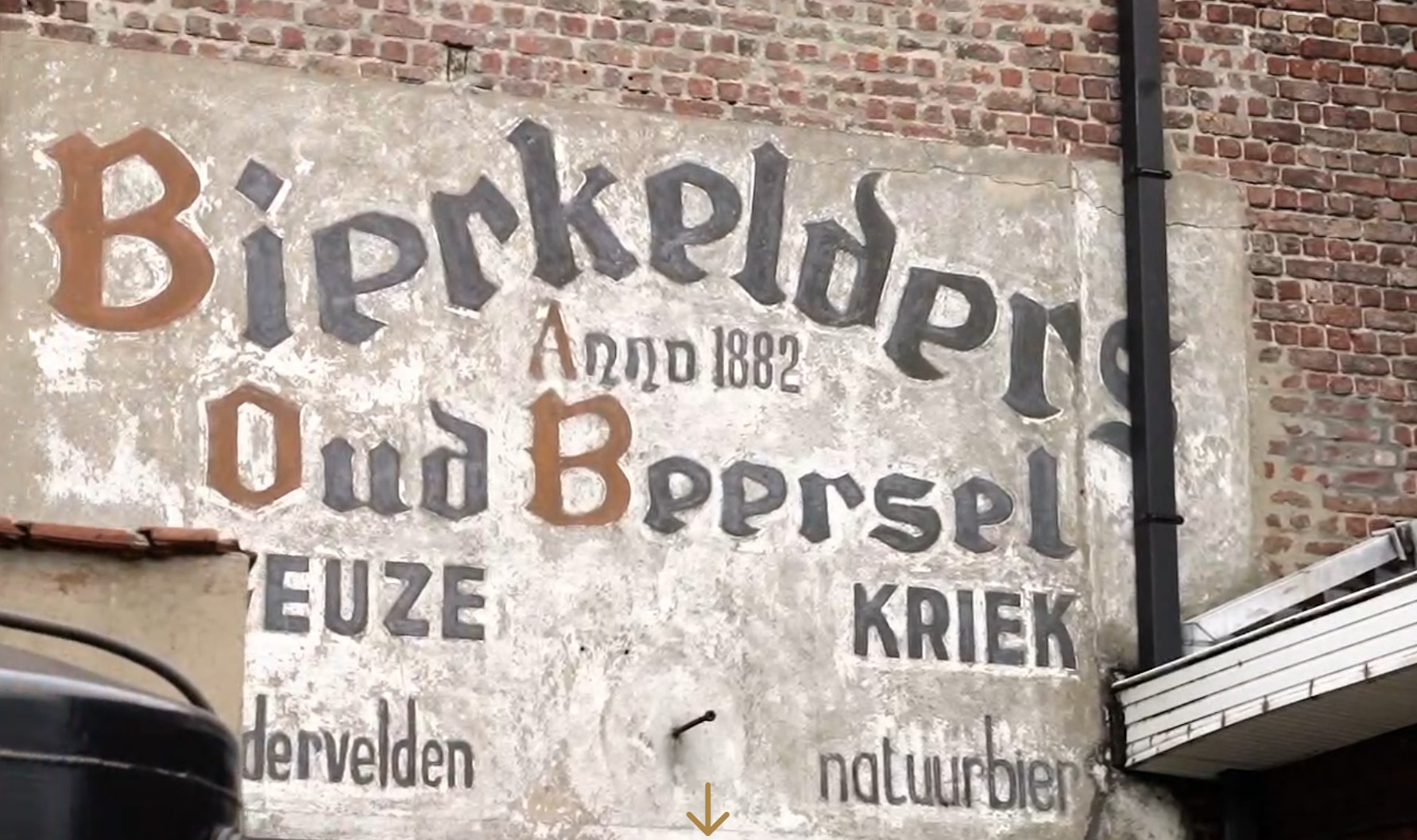
📍 Laarheidestraat 230, 1650 Beersel
A brewery and beer hall in one, with a café-restaurant open from Friday to Sunday. The food is excellent, including homemade meatballs and cheese platters, all designed to complement the lambics. Brewery tours are available on site.
4. 3 Fonteinen, the historic restaurant (Beersel)
📍 Herman Teirlinckplein 3, 1650 Beersel
A café founded in 1883 in Beersel, taken over by the De Belder family in 1961 and now run by the next generation. The restaurant serves classic Belgian cuisine, perfectly paired with gueuze and house kriek. Open Friday to Monday, 12 pm–14 pm and 18 pm–21:30 pm (closed Tuesday to Thursday).
5. Lambik-O-Droom, the production site of 3 Fonteinen (Lot)
📍 Molenstraat 47, 1651 Lot
It is here in Lot that 3 Fonteinen has been brewing and aging its lambics since 2016, just a few kilometers from the Beersel restaurant. The tasting room and terrace overlook the aging cellar. Open Friday and Saturday from 14 pm to 20:30 pm, Sunday from 13 pm to 19:30 pm, with a free guided tour (Friday and Saturday at 15 pm, Sunday at 14 pm). Accessible on foot from Lot train station, a 10-minute train ride from Brussels-Midi station.
Where to admire the hills and the landscape
1. Gaasbeek Castle (Lennik)
📍 Kasteelstraat 40, 1750 Lennik
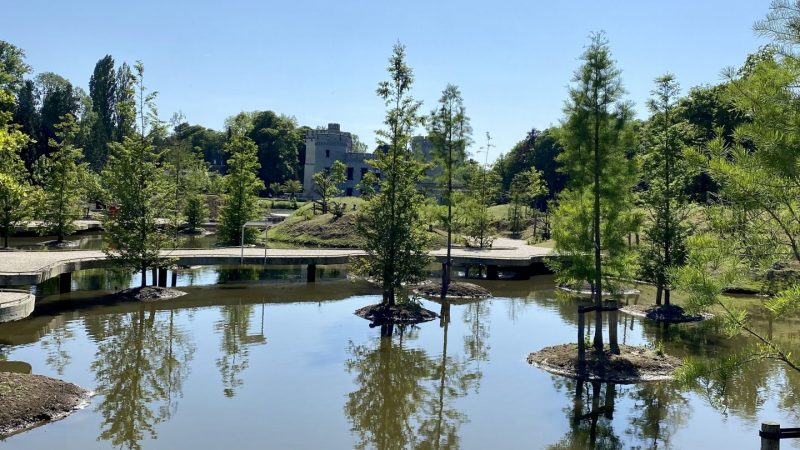
The perfect starting point: a remodeled medieval castle , an English-style park, open from Tuesday to Sunday (closed on Mondays). People come here as much for the interior as for a stroll through the gardens, where the Pajot landscape is already evident.
2. Café Den Haas (Gooik / Pajottegem)
📍 Wijngaardbosstraat 6, Pajottegem
Perched on a hill, with a terrace overlooking "de Woestijn", a typical valley hollow of the region. Here you can sip a gueuze with a mattentaart on the side, and you understand why the people of Brussels come here to recharge their batteries on Sundays.
The little bonus: the juice that bears the name of the region
The Pajottenland region has more to offer than just beer. Since 1987, the Pajottenlander brand has been producing artisanal organic juices made from local and European fruits right here in the region: cloudy apple juice, berry juice, all without additives or filtration. The perfect way to end a family outing without necessarily ending up at a brewery bar.
How to organize your outing
By car, it's a 20-minute drive from Brussels to Beersel or Vlezenbeek, and a little longer to Gooik or Lembeek. By train, Lot station is 10 minutes from Brussels-Midi, perfect for reaching Lambik-O-Droom without a car. By bike, the Lambic-Geuze Route connects several traditional breweries and cafes in the region, ideal for a full day out.
The big event to mark on your calendar is the Toer de Geuze, organized by HORAL, the High Council for Craft Lambic Beers. For one weekend, breweries usually closed to the public open their doors wide. Since 2022, the event has taken place in even-numbered years, in May, and the last edition (May 2026) attracted a record number of visitors. The next one is expected in May 2028; exact dates to be confirmed closer to the event.
Local tip: book your tours in advance, especially with Lindemans. And make sure you have enough space in your trunk; you never leave Pajottenland empty-handed.
Frequently Asked Questions about Pajottenland
- Where does the name Pajottenland come from?The exact origin remains debated. Two theories dominate: a link with "pagnot", referring in the 18th century to mercenaries in the service of Austria, or a link with "paillottes", the traditional mud-brick dwellings of the region.
- Where is Pajottenland in relation to Brussels?Just southwest of Brussels, between Hal, Ninove and Enghien, in the territory of municipalities such as Beersel, Gooik, Lennik or Pepingen.
- What is the best time to visit lambic breweries?The traditional brewing season runs from September to May, but breweries and cafes remain open all year round for tastings.
- Is it possible to visit the Pajottenland region by bicycle from Brussels?Yes, the Lambic-Geuze Route connects several traditional breweries and cafes in the region.
- What is Toer de Geuze?HORAL's biennial open house event, where breweries and lambic blenders from the Pajottenland region open their doors to the public free of charge. Held in May of even-numbered years since 2022.


Barely a foot in the Belgian capital, Pierre launched “InsideBrussels.be” more than 10 years ago, the idea is simple: “What to do? Where to go to eat or have a drink? “. Entrepreneur at heart, this is not his first project! Far from there. EatLocal.io; KingCard.be, Bricabrac.be … Like wine, with time the project improves!
Pierre does not hesitate to share his favorites and his best addresses of Brussels restaurants that he could recommend to you with his eyes closed.