Why installing solar panels in Brussels remains a good idea in 2026

Updated on September 17, 2026 by Pierre
☀️ 1. The green certificate, still very much alive in Brussels
This is the argument that many believe to be outdated, and yet... While Wallonia has abolished its green certificates for new installations and Flanders has definitively abandoned the reverse-cycle meter, Brussels is maintaining its own system in 2026, considered the most advantageous in the country. For a standard residential installation up to 5 kWp, the rate remains fixed at 2,055 green certificates per MWh produced since April 2026, as detailed in the official update from Brussels Environment . These certificates are then resold over 10 years at a price of around 65 to 90 euros per certificate.
One important point to be aware of before signing a quote: since January 2026, only RESCert PV certified installers can provide these certificates. This is also why it's recommended to compare several reputable quotes before committing, for example, by using a professional like EnergyPro to buy solar panels to ensure a properly certified installation from the outset. Once the installation is in place, Homegrade details the complete procedure for obtaining and reselling green certificates, step by step.
🌡️ 2. It's going to get hotter and hotter, so we might as well produce what we consume
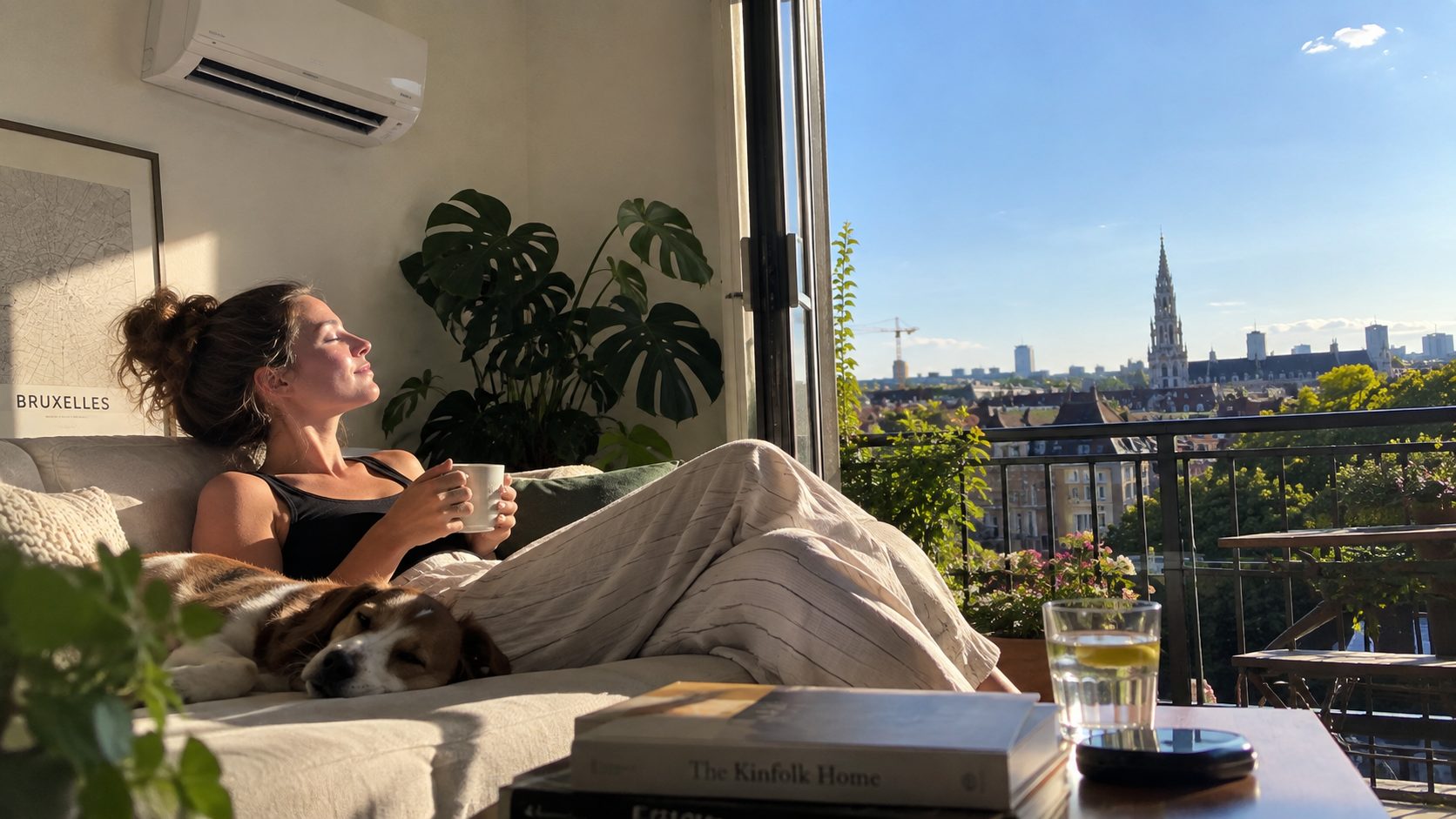
We feel it more and more each summer: the heat waves are getting longer, and air conditioning is no longer a luxury but a matter of comfort, even health for some households. The problem is that air conditioning runs precisely when the sun is at its strongest, and without a home energy source, the bill skyrockets with every heat wave.
The logic then becomes clear: if we are considering the installation of a AC, It makes more sense to power it with your own panels rather than paying full grid rates during peak summer hours. The two systems complement each other, one subsidizing the other's usage, and the summer bill ceases to be an unpleasant annual surprise.
🏡 3. Improve your PEB (Energy Performance Certificate) to resell (or rent) more easily
In Brussels, rental properties now require a minimum PEB E energy performance certificate , and a well-sized photovoltaic system contributes positively to this score. For landlords, it's no longer just an eco-friendly option; it's a prerequisite for accessing the rental market.
The same logic applies to resale: a buyer today looks at the PEB even before visiting, and panels already installed, partly amortized, become a concrete selling point rather than a future project to budget for.
🔌 4. Charge your car, and get paid for the electricity you didn't buy
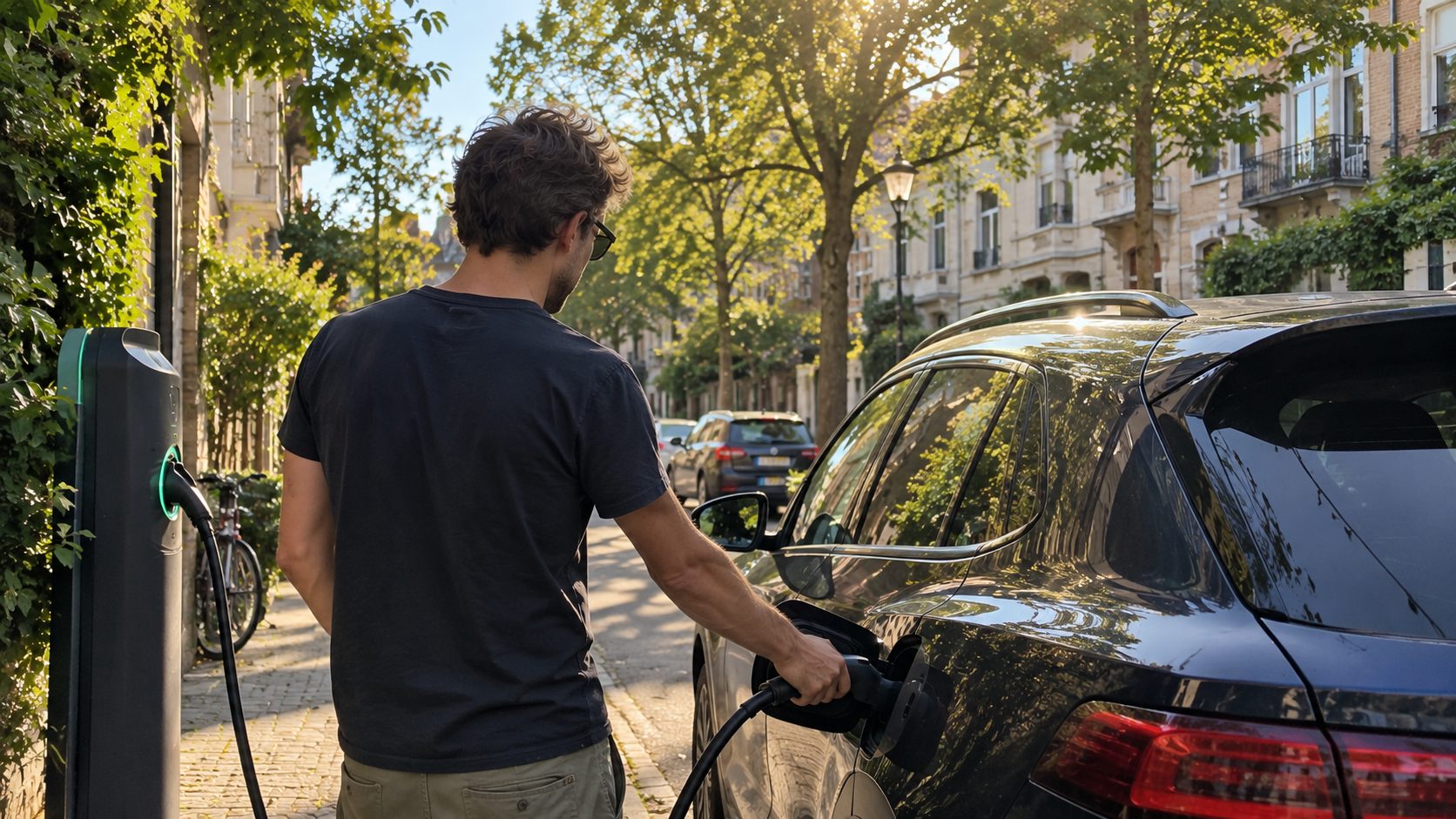
For the many Brussels residents who drive electric company cars, the equation changes again. The employer can reimburse home charging based on a flat rate per kWh, aligned with the CREG tariff in effect each quarter (around 37 cents per kWh in Brussels in the third quarter of 2026), regardless of the source of the electricity charged.
In practical terms, a household that charges its company car during the day using its own solar power continues to receive this reimbursement per kWh, even though the electricity consumed cost them nothing. However, there is one important tax caveat to be aware of: recently, the tax authorities have started requiring that this reimbursement correspond to an actual cost incurred, so it's best to use a justifiable calculation method if you have solar panels, rather than relying solely on the flat rate.
📉 And what about the bonus in all of this?
Let's be clear: the direct installation grant no longer exists in Brussels. Renolution grants have been suspended since August 2025 due to insufficient regional funding, and no official decision has yet been made regarding their reinstatement for 2026. What remains are the green certificate, the 6% VAT rate for homes over 10 years old, and the Ecoreno green loan, which should be checked on a case-by-case basis since access to it has also been temporarily suspended.
🔍 Before we begin
The most useful step before obtaining any quotes remains: checking the actual potential of your roof on the Brussels Environment solar map, a free tool that provides a reliable initial estimate based on the roof's orientation and pitch. This should be followed by a quick check with the local council, generally unnecessary if the panels aren't visible from the street, and comparing several quotes, ensuring they have RESCert certification.
Between the green certificate which is holding up well, the climate argument, the PEB and the charging of the company car, Brussels remains in 2026 one of the most consistent places in the country to get into solar power, subsidy or not.

Barely a foot in the Belgian capital, Pierre launched “InsideBrussels.be” more than 10 years ago, the idea is simple: “What to do? Where to go to eat or have a drink? “. Entrepreneur at heart, this is not his first project! Far from there. EatLocal.io; KingCard.be, Bricabrac.be … Like wine, with time the project improves!
Pierre does not hesitate to share his favorites and his best addresses of Brussels restaurants that he could recommend to you with his eyes closed.